Written by Stephen Trink
December 2016

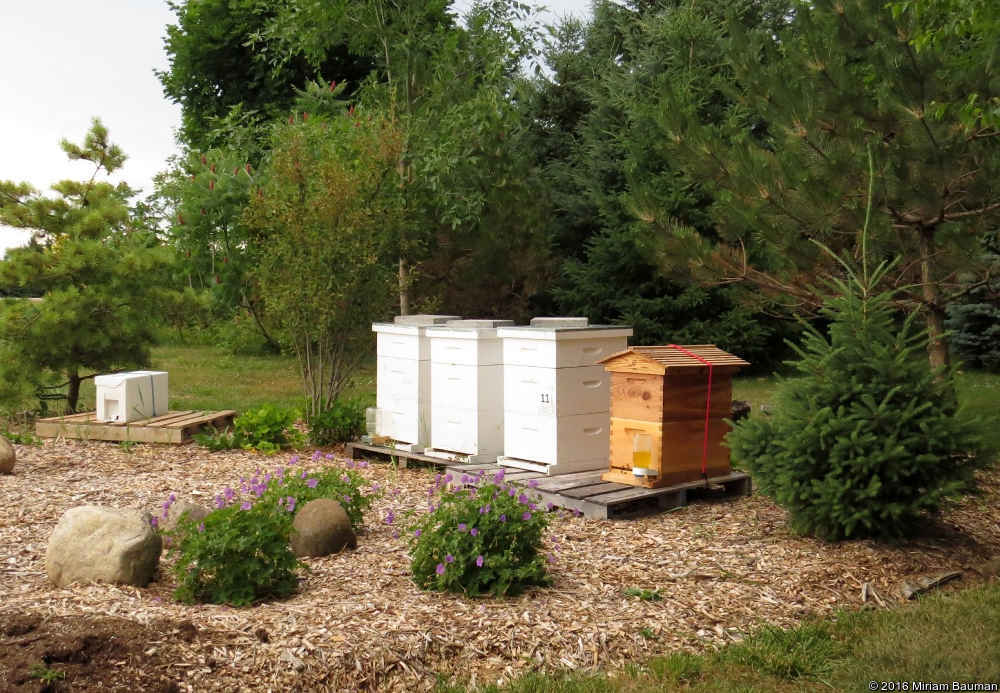
Almost five years ago, I was reading a newspaper article about the plight of honeybees and was inspired to do something about it. Perhaps you will recall the news headlines regarding Colony Collapse Disorder or “CCD” for short? Suspected causes for this phenomenon include varroa mites, malnutrition, loss of habitat and a new class of pesticide called neonicotinoids. After reading about this catastrophe, I was determined to read every book and watch every DVD I could get my hands on at our local library and spent endless hours searching the internet for information on how to keep bees. After six months of intense research, I finally purchased our equipment which included wooden hive boxes filled with frames, a protective suit, hive tool, gloves and a smoker. Finally, I painted the boxes glossy white, ordered our bees and registered as an official beekeeper with the Ministry of Agriculture (registration is free by the way). Nothing could have prepared me for the wonderful adventure that awaited us!
While my original motivation was to help these important pollinators, I quickly realized the sweet reward of raw wildflower honey which we were starting to harvest in great abundance by the second year! In addition to honey, I also collected the wax which we now make into homemade lip balm and candles. This has proven to be a richly rewarding hobby for our entire family and a lot of fun too! Last year, I purchased a child size suit which enabled our kids to join us during hive inspections.

I feel privileged to have this opportunity of being a beekeeper; I am constantly learning new things about bees and developing better strategies for managing my hives from other beekeepers at our local Grand River Beekeeper’s Association. It is richly fulfilling to know that I am doing my part to help these important pollinators. It was Albert Einstein who wisely stated that, “If the bee disappeared off the surface of the globe, then man would have only four years of life left. No more bees, no more pollination, no more plants, no more animals, no more man.” This is the challenge we face right now and failure is not an option.

Pollination provides one of the clearest examples of how our disregard for the health of the environment threatens our own survival. About 75% of all crops require pollination, often by bees, but sometimes by flies, butterflies, birds or even bats.
In southwest China, they are forced to hand-pollinate their apple and pear orchards because their excessive use of pesticides has completely eradicated their entire wild bee population.
Farmers in these areas carry pots of pollen and paintbrushes to individually pollinate every flower! Obviously this is not a viable solution to the problem as there are not enough humans in the world to pollinate all of our crops by hand.
Another problem is the increasing lack of natural habitat for pollinators. Admittedly, the situation in China is one of the most dramatic cases in the world today but there is increasing evidence from around the globe pointing to unsustainable farming practices which are incompatible with the long term survival of our pollinators.
So, what can be done? Promising studies conducted in both Europe and North America have shown that planting strips of wildflowers on farms or leaving patches of natural vegetation such as forests, can greatly boost pollinator populations including honey bees! According to these studies, these practices increase populations of natural predators, which decreases the need for pesticide use.

In Ontario, our government can no longer ignore the increasing scientific evidence which clearly shows that neonicotinoid insecticides are highly toxic to honey bees and other beneficial insects. Part of the problem is that these potent insecticides don’t break down quickly in soil. They are water soluble and easily run off into local water systems, where they can harm aquatic insects also. The province has promised to reduce the number of acres planted with neonicotinoid-treated corn and soybean seed by 80% by the year 2017. This is a good start but is it too little, too late? Several years ago in Europe they implemented a five year ban on neonicotinoid insecticides after determining that they posed an “unacceptable” danger to bees.
In the United States alone, crop pollination by insects is estimated to be worth $14.6 billion to the economy. Some pollination is done by domesticated honeybees, like blueberries and almonds but the bulk of pollination of most crops is done by wild insects like bumblebees.
Without bees, our diets would be rather boring. How would you like to survive on wheat, barley and corn, and little else? Raspberries, apples, strawberries, peas, beans, melons, tomatoes, blueberries, pumpkins and many more all rely on pollination. Most importantly, imagine a world without honey!
Bees and other insects have provided free pollination for our crops for millennia. They will continue to do so if we learn to recognize their importance and return the favour by providing them with what they need to survive.

Stephen and his wife April have been beekeeping hobbyists for the past 5 years. They currently manage 12 hives located in Teeswater and St. Agatha. Stephen received his undergraduate bachelor’s degree in Science (BScN) from McMaster University in 2006. In his professional career, Stephen worked in an acute care setting at St. Mary’s General Hospital as a Registered Nurse for several years. For the past ten years, he has been working in a management role in long term care. He is a member of the Grand River Beekeepers’ Association and joined the Waterloo Region Nature Club earlier this year. April and Stephen are the proud parents of five beautiful children and live in Kitchener, Ontario. If you are interested in getting into beekeeping Stephen would be happy to answer any questions you might have and is willing to mentor new beekeepers! Please email him directly: stevetrink@hotmail.com
Montgomery Report of the Fall Workday
Friday October 21, 2016
Present: Wayne and Lynda Buck, Fraser Gibson, Jim Cappleman, Paul Bigelow, Donna and Marco DeBruin, Graham & Margaret Macdonald
Absent with regret: Pat Bigelow, Ross Dickson and April Morrisey
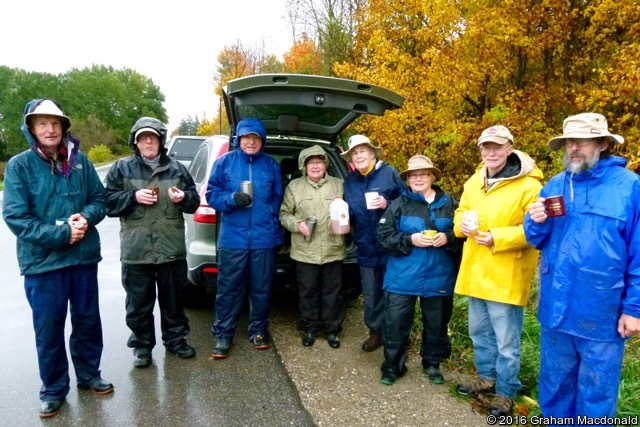
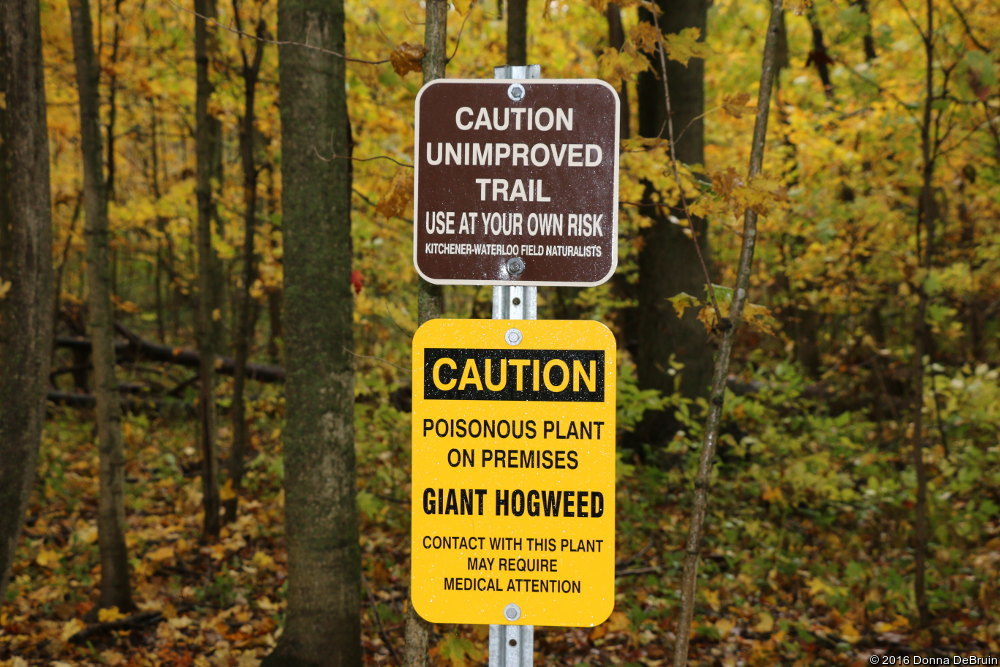
Nine committee members met at 9 am in a steady but light rain and entered the property. The sign posted on our main road sign closing Montgomery due to the presence of hogweed (late June) was removed as were all other “closed” signage. Jim Cappleman had in September installed the new permanent sign warning of the presence of Giant Hogweed on the property.

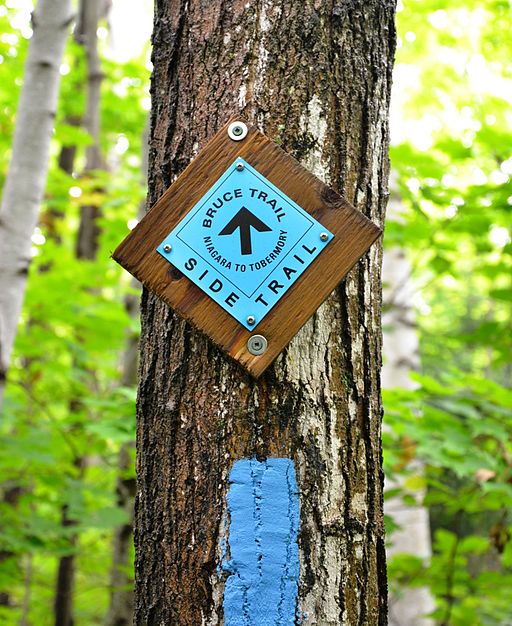
Old signs on trail posts that said features were missing were very belatedly removed; the new trail guide, now 3 years old, describes new features at those trail posts. Jim and Paul cleared the trail. Overall it was fairly clear but there were a couple of large trees that had fallen across the trail that required their attention. The trail posts were in place and the features present at each post.

Wood duck box east (near the vernal pools) contained only a few nondescript feathers – no sign of egg debris or any nesting.

The west box by the Nith contained a new squirrel nest of fresh leaves, 1 infertile egg, 2 unbroken eggs that looked as if they had been pierced by a stick as if close to hatch, and also egg shell debris so definite successful nesting indicated. The boxes were cleaned and fresh wood chips put in.


Property markers were checked. Number 8 could not be found and that was the same at our last check. There was no sign of any disruption on the property camping, fires, garbage disposal etc. Marco saw a downy woodpecker. There is increased evidence of downed ash trees while Wayne noticed regeneration of Bur Oak, which is encouraging. Marco and Fraser observed extensive new areas of periwinkle. As tarps were not moved in spring 2016, spring 2017 many tarps should be moved to new areas. The only two tarps that should not be moved are two newly donated tarps that were put down last year.
Next spring’s priorities will be to move tarps, locate and mark hogweed plants, plus doing our regular trail checks and trail marking. Equipment required for hogweed removal and a storage container will be purchased before next spring. A process will be set up for hogweed removal personnel to access it as necessary. We will prepare a hogweed monitoring plan and a process to arrange for hogweed removal when necessary. We will continue our garlic mustard removal day. For our garlic mustard activity we always ask for volunteers and it may be a good idea to ask for volunteers for our spring workday. The tarp moves require strength so we could appeal on that basis and see if we can attract some strong arms.
Thank you to our committee members who continue to come out whatever the weather and make the morning a pleasure. Thank you all so very much!
Marg Macdonald
(chair)


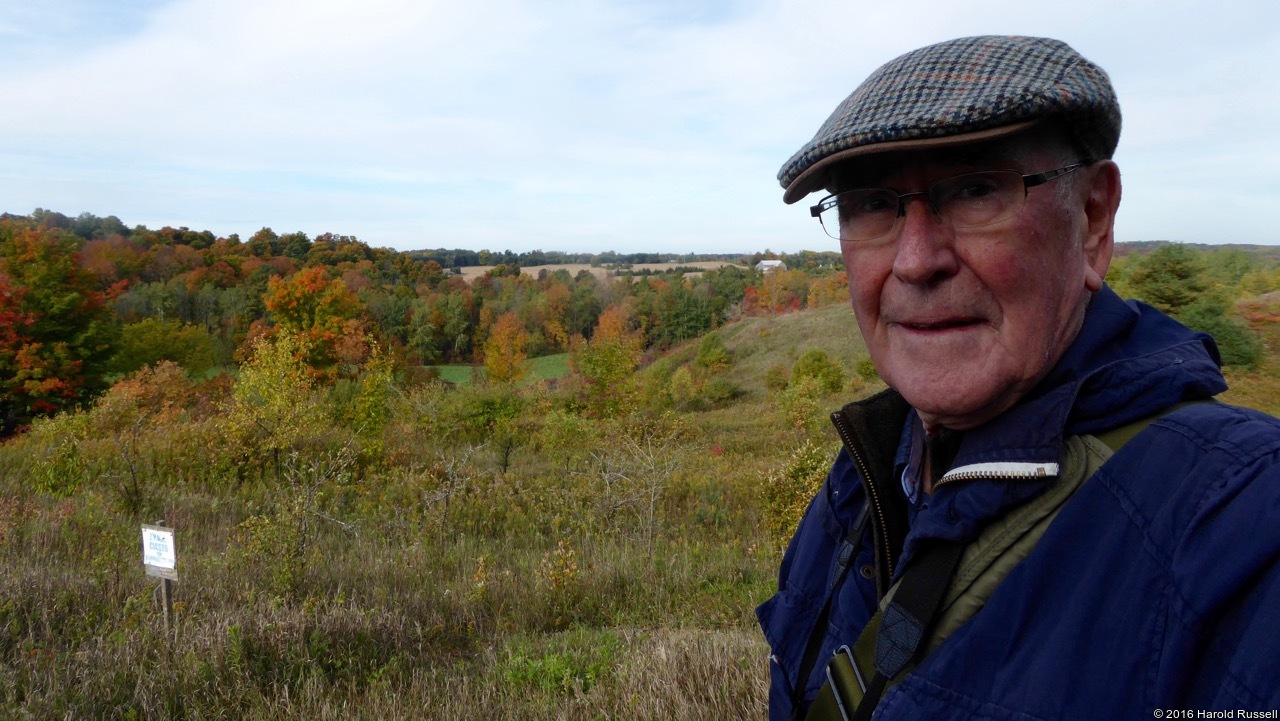
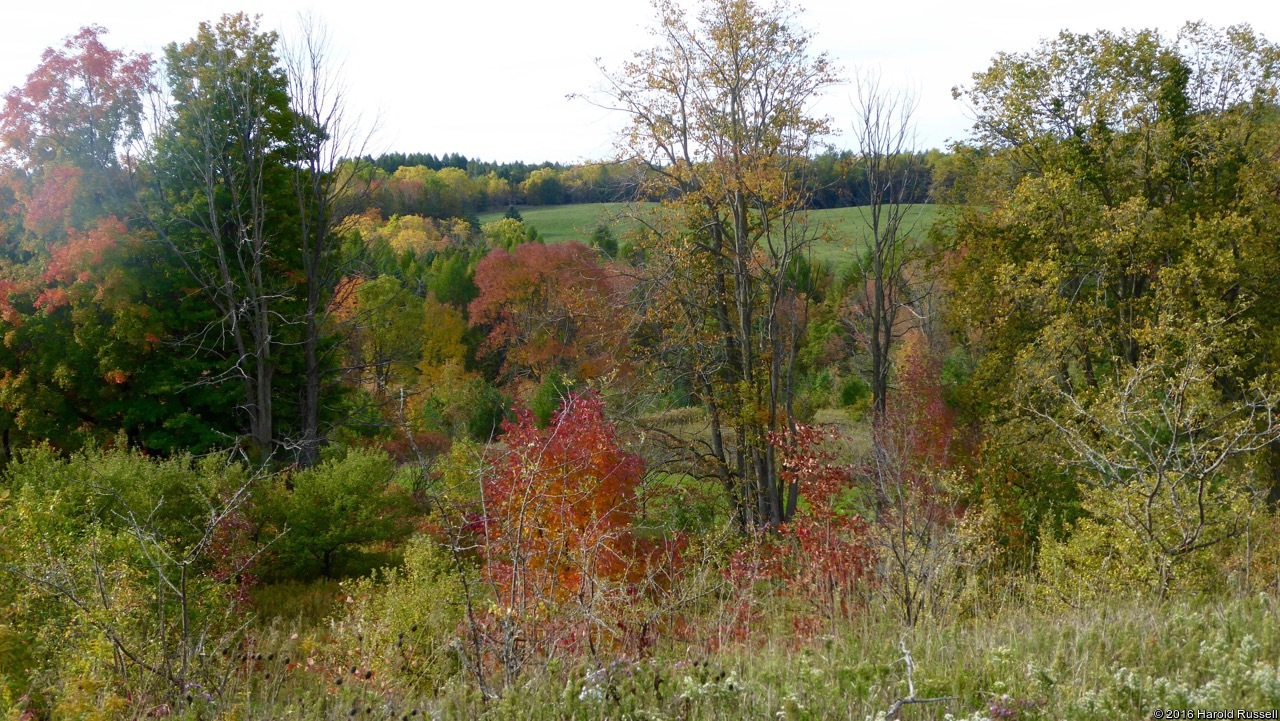
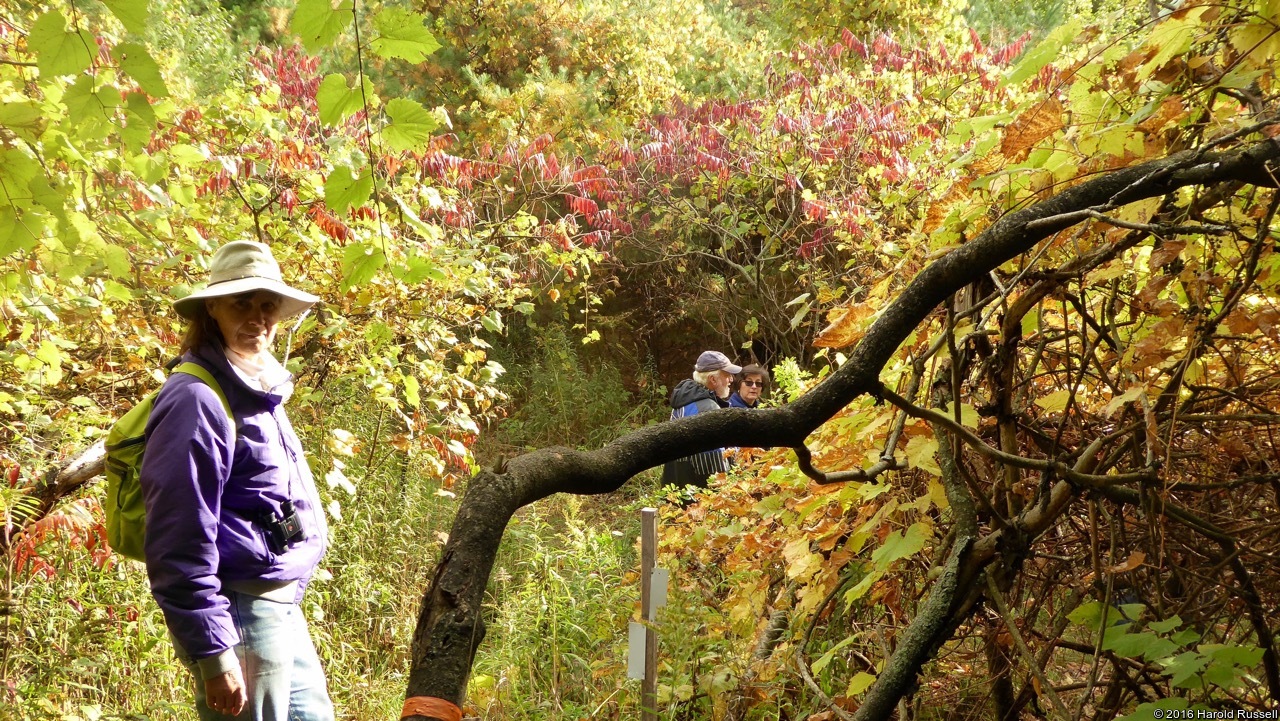
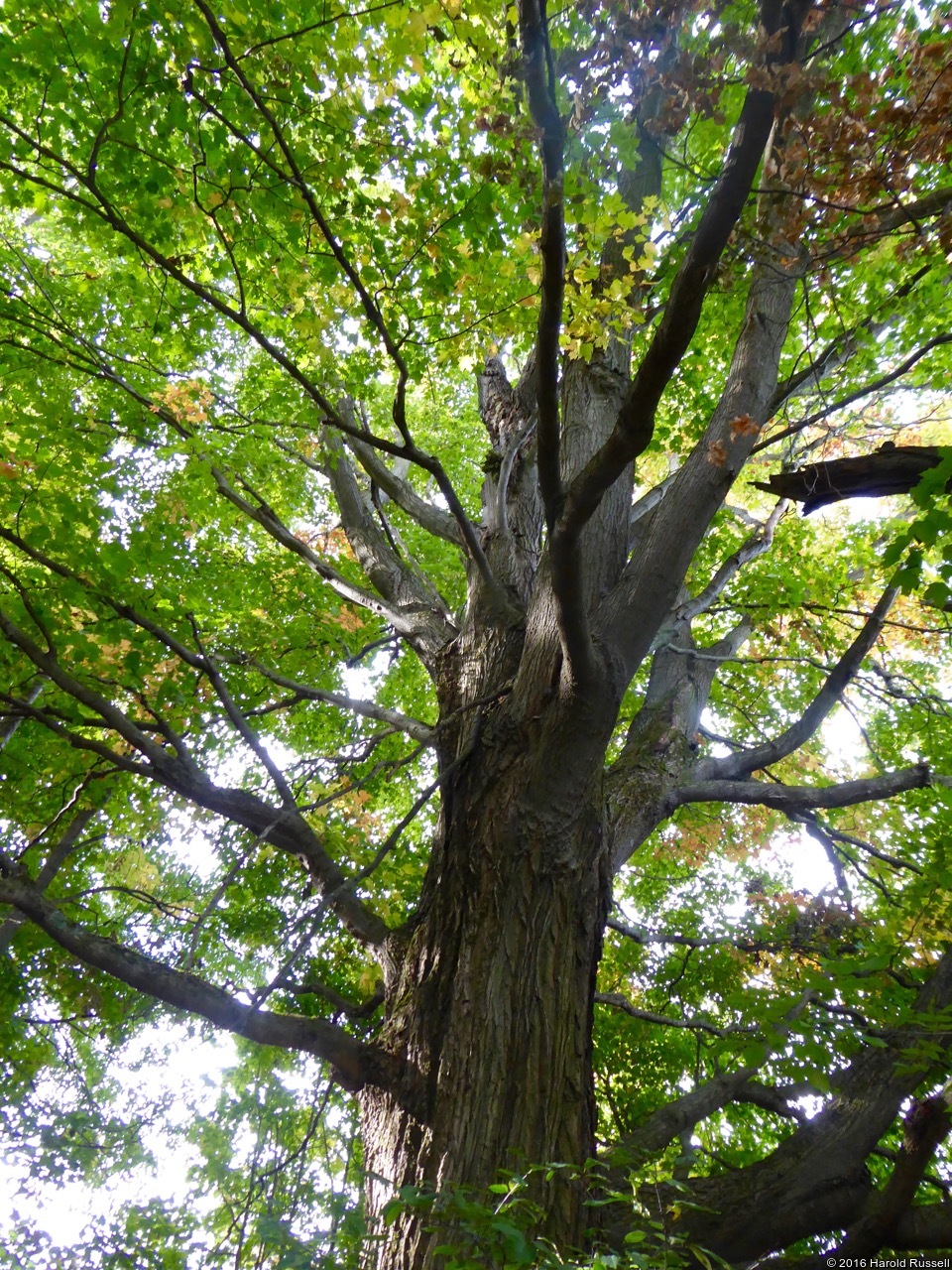
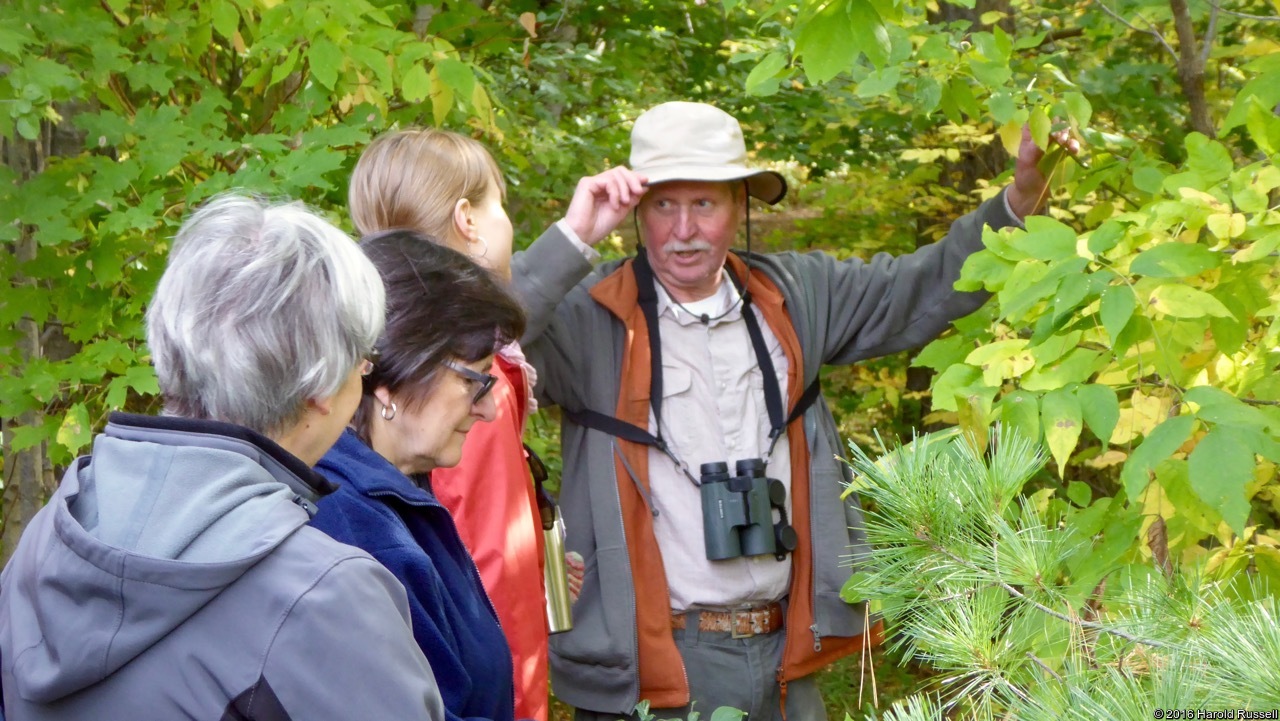
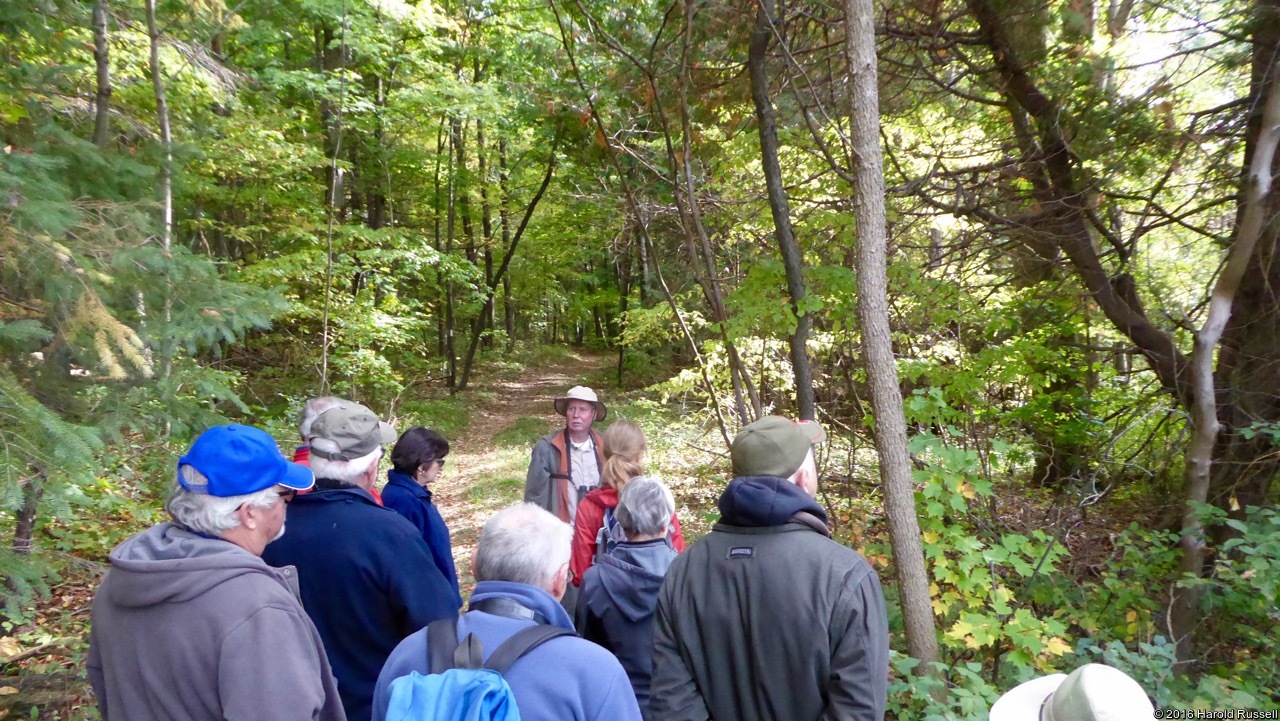
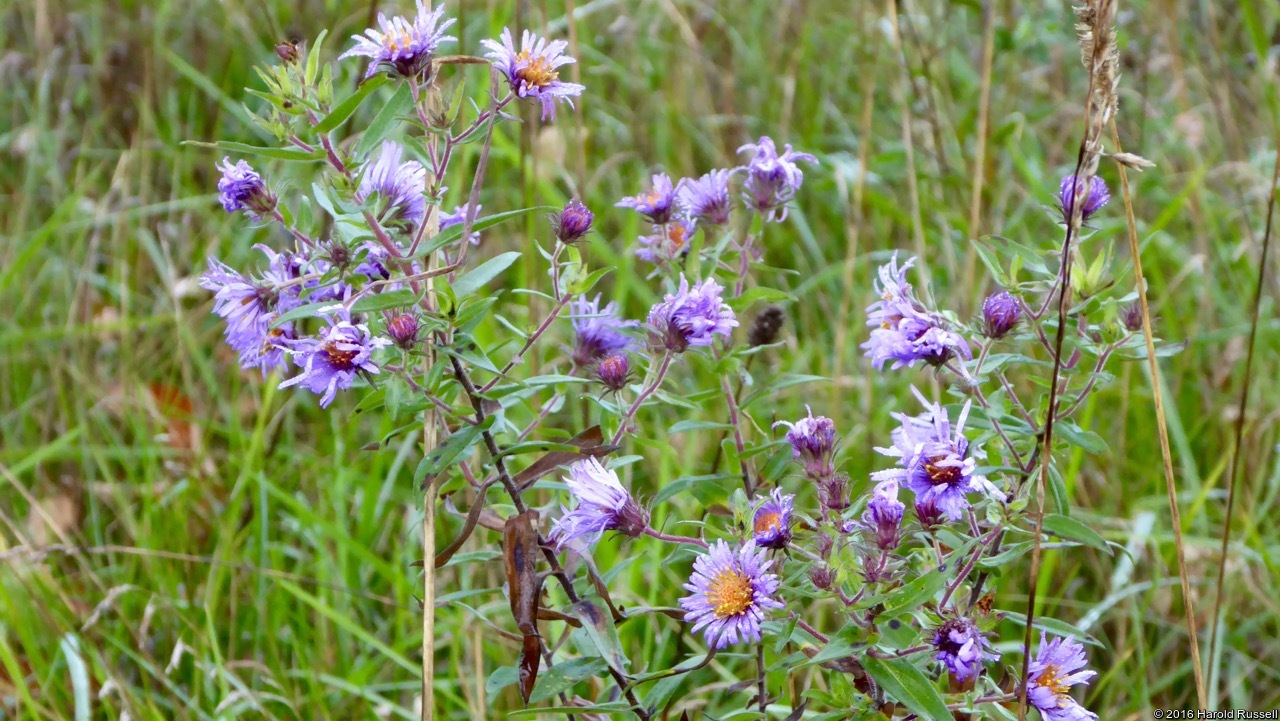
The following photos were taken by Harold Russell during Dale Ingrey’s “day after Thanksgiving” outing to Schneider’s Woods. “It was a lovely morning; the scenery marvellous.”


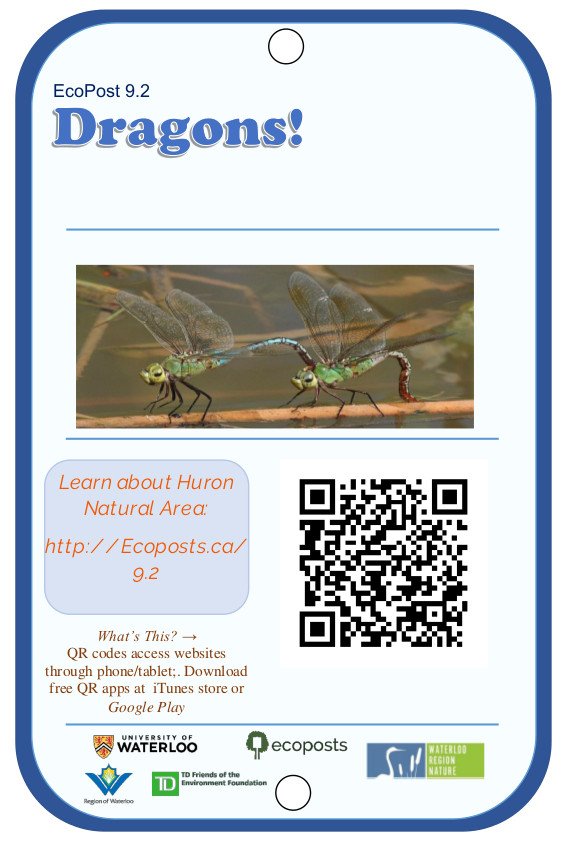
After over a year of work by a number of people, WRN has launched a web site for the Ecoposts project. Check it out at: https://ecoposts.waterlooregionnature.ca.
This web site highlights places in Waterloo Region where you can explore nature. For each place, there are suggestions on what to look for in each season and background information on what you can see.
Work continues to make and install signs at these locations which will provide links back to the relevant web pages.


Grow Our Greenbelt
http://www.growourgreenbelt.ca/action
Waterloo Region (current system)
http://www.regionofwaterloo.ca/en/abouttheenvironment/growthmanagement.asp
Environmental Bill of Rights – comments
Yours for Nature,
Waterloo Region Nature has a new logo. It was approved by our membership at our monthly meeting on May 30, 2016. This design was created for us by John Baljkas, a graphic designer and professor at Conestoga College in the Graphic Design Department, School of Media and Design.
The new logo has a simpler, modern look, but it keeps the main elements of our previous logo, especially the long association of our club with the Great Blue Heron. The Heron has been the title of our newsletter for many years.
Our new logo is very flexible. The tiles and colours can be rearranged to suit a variety of online and printed needs.

NOTICE
GIANT HOGWEED FOUND
IN THE F.H. MONTGOMERY WILDLIFE SANCTUARY
AND ADJACENT PROPERTIES.
The Region of Waterloo Weed Inspector has notified WRN that Giant Hogweed has been found on the Montgomery Property. Since this is listed as a Noxious Weed, WRN is responsible for removing it. The Montgomery Committee has been to the site and confirmed that there are at least 20 plants, some in flower, near the Nith riverbank, both on WRN property and more on adjacent floodplain properties.
Accordingly, the Committee has:
POSTED WARNING SIGNS
CLOSED ALL TRAILS
ACCESS TO THE PROPERTY IS NOW RESTRICTED
The Committee is taking immediate steps to remove the flower heads from plants on WRN property. Advice and resources for further action on removal of the infestation are being sought.

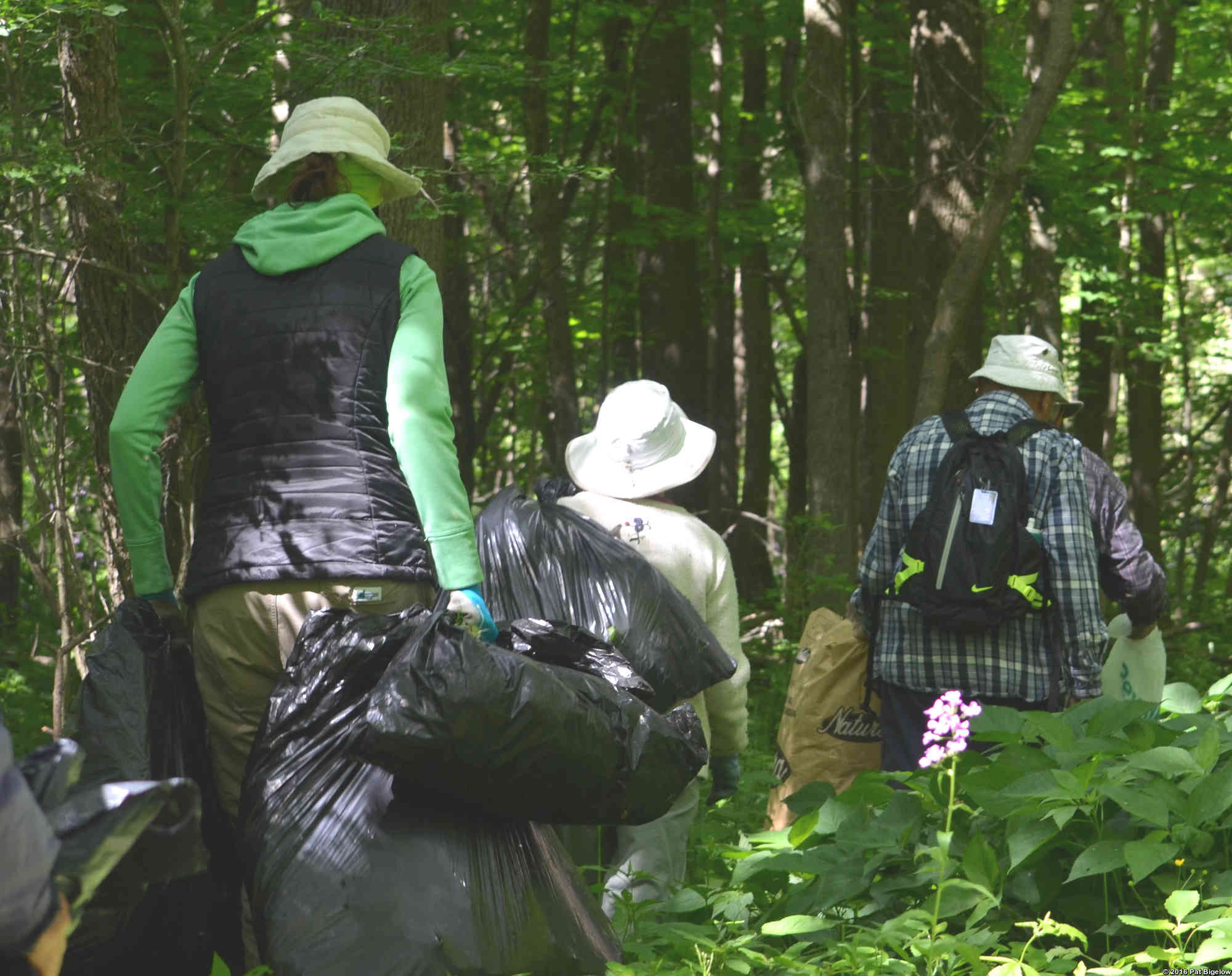
On Friday morning, June 10th, a work crew consisting of Montgomery Committee members, other WRN members and a large contingent from rare, descended on the F.H. Montgomery Wildlife Sanctuary. The weather was perfect for a concerted attack on the Garlic Mustard plants at the far end of the property.

After a few hours of pulling, this section had been cleared of the alien invaders, and a truckload of bagged plants was carted away. A good morning’s work was celebrated with snacks and then a group photo. Thanks to all who came out and worked so hard.


WRN members Josh Pickering and David Gascoigne spotted a Prothonotary Warbler on May 4 in a woodlot on the University of Waterloo campus. This discovery is only the second record ever for Waterloo Region, the last being in 1997.
Details in the Waterloo Region Record article Rare warbler spotted in Waterloo.


This year’s Birdathon was explicitly decided by the weather forecast; we would run our 19th Birdathon from May 9 to May 10 to make the best of the weather conditions. At 3:00 pm we entered Rondeau Provincial Park to begin. The weather was partly cloudy with light SE winds and a balmy 16 degrees. We had a quick start spotting Scarlet Tanager, Prothonatory Warbler, Carolina Wren and Eastern Bluebird. After an hour and a half, we headed for Erieau. En route, we picked up Cliff Swallow, Short-billed Dowitcher and a late Canvasback.
The Erieau marina was very quiet so we did not stay long but headed for the Blenheim Sewage Lagoons. These were productive as there was something new in each of the 4 large cells. We managed to spot quite a number of ducks ( Blue-winged Teal, Ruddy Duck, American Wigeon and Gadwall ) and shorebirds including an early White-rumped Sandpiper and a hard to come by Pectoral Sandpiper. The area was quite active with several Bobolinks calling and displaying in the tall grasses. After checking the lagoons we headed to Blenheim to get our supper; pizza and soft drinks.

On the road again we headed for Mitchell’s Bay. Eating and travelling kept most of our attention but the birds were what really made us sit up. We had Red-tailed Hawk, Peregrine Falcon and Northern Harrier all en route. At Mitchell’s Bay we found Common Gallinule, Black-crowned Night Heron, Green Heron and several Yellow-headed Blackbirds. We still had a little light left so we raced off to the Lake St. Clair NWR. On the way we ran into one of the larger surprises; a Snowy Owl. Reaching the NWR we continued add more species: Sandhill Cranes. While Mike and Ken walked a trail in the refuge, Carol and Jim birded the entrance. We found American Bittern and Sora calling, a silent Trail’s Flycatcher. As dark was descending fast we headed for the cottage making 2 listening stops along the way and heard Vesper Sparrow and American Woodcock.

On the 10th We were up at 5:00 and off to Pt. Pelee National Park. It was raining lightly, 9 degrees and windy. On the way we spotted Great Horned Owl and Wild Turkey. The Park was not as busy as the 9th, but we still managed to add several species to our list. Starting at the Tip, we managed to pick up some later species including Horned Grebe and Surf Scoter. Heading north into the Park, we found Yellow-throated Vireo, good numbers of Catharsus thrushes (including Gray-cheeked) as well as 15 species of warblers, including Cape May and Northern Parula. We decided to walk some of the seasonal trails in the north section, which paid off with a single calling Fish Crow at Sleepy Hollow. By this time it was closing in on noon and we hadn’t checked the Onion Fields or Hillman Marsh. Heading out of the Park we checked the Onion Fields which was quite productive; we found good numbers of shorebirds including several Long-billed Dowitchers, Semipalmated Sandpiper, Dunlin and Black-bellied Plovers.

Our final spot was Hillman Marsh. By 2:00 it was very cold and windy but the rain had stopped. We spent our last hour in a shelter adding a few new species to our list. These included Caspian Tern, Forster’s Tern and Bonaparte’s Gull. Our final birds were 5 Willets that flew in and landed at our feet; a nice way to finish our 19th family Birdathon.
We had another productive and fun filled 24 hours of birding finishing with 151 species.
Thank you for supporting us in our Great Canadian Birdathon. Monies raised go directly to bird conservation and research. If you have already paid us, thank you. If you pledged support, you can forward a check to Jim Burrell made payable to BSC/ Great Canadian Birdathon or paying online at http://birdscanada.kintera.org/birdathon/jimburrell.
Again, thank you for your support.
Yours in conservation,
Carol, Jim, Mike and Ken
List of Birdathon 2016 species
Photos © Ken Burrell